Stone Polishing vs. Stone Replacement for Commercial Properties
People seeking stone polishing for commercial properties aim to restore shine and durability, and local service providers can help decide between polishing and replacement options.
If you're exploring options for maintaining or improving the appearance of your commercial property's stone surfaces, you're in the right place. The choice between stone polishing and stone replacement can significantly impact the durability, aesthetics, and overall cost-effectiveness of your property. Property owners in the area often consider these options to enhance their building’s appeal and extend the lifespan of their stone features, especially when facing issues like surface wear, dullness, or minor damage. Understanding the differences and practical benefits of each approach can help you make informed decisions that align with your property's needs.
Local service providers specializing in stone care are equipped to assist with both stone polishing and replacement, offering solutions tailored to your property's specific condition. Stone polishing can restore and refresh existing surfaces, providing a cost-effective way to maintain a polished, professional look without the need for full replacement. Keep reading to learn more about how these options compare and how local contractors can support your property’s ongoing maintenance and aesthetic goals.
- Surface Restoration - When commercial property floors show signs of wear or minor damage, local contractors can perform professional stone polishing to restore their appearance without replacement.
- Surface Renewal - For businesses seeking to refresh their flooring, stone polishing offers a cost-effective alternative to replacement, with local pros providing expert finishing and shine enhancement.
- Surface Preservation - Property owners aiming to extend the lifespan of existing stone surfaces often choose polishing, which local service providers can handle to maintain a polished look.
- Surface Refinishing - When floors lose their luster but are structurally sound, local contractors can apply polishing techniques that improve appearance without the need for costly replacement.
- Surface Maintenance - Regular polishing by local pros can help preserve the quality of stone surfaces, preventing the need for premature replacement and maintaining a professional aesthetic.
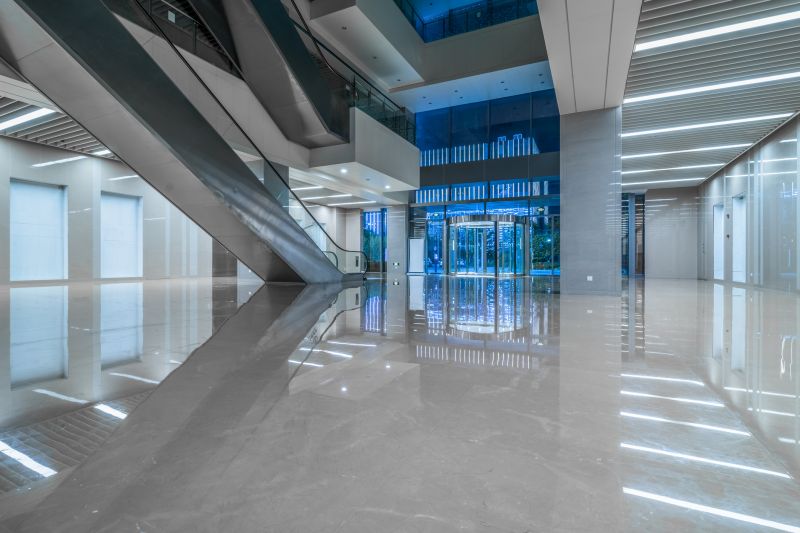
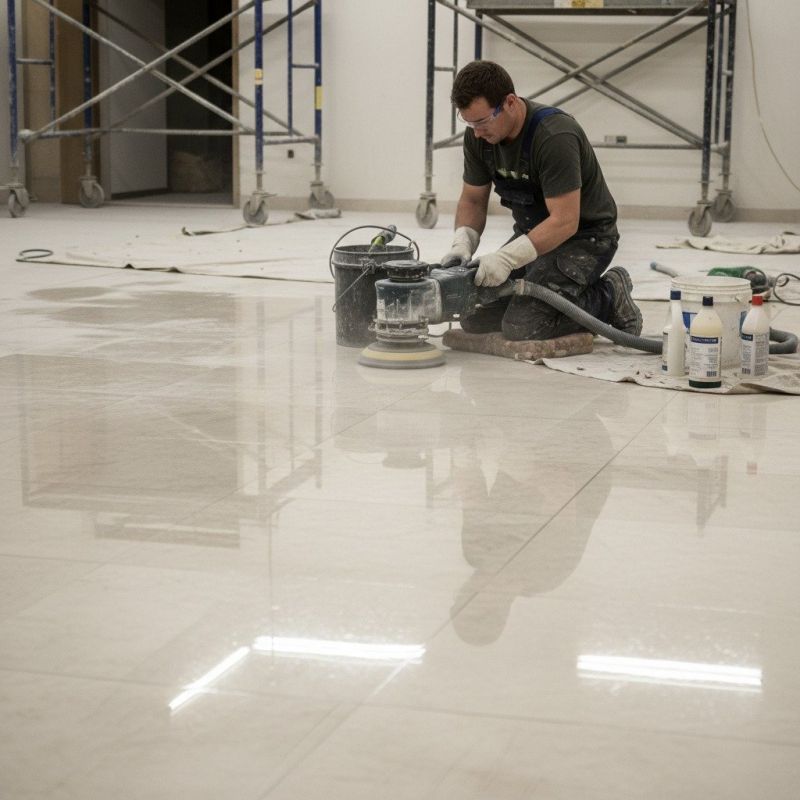
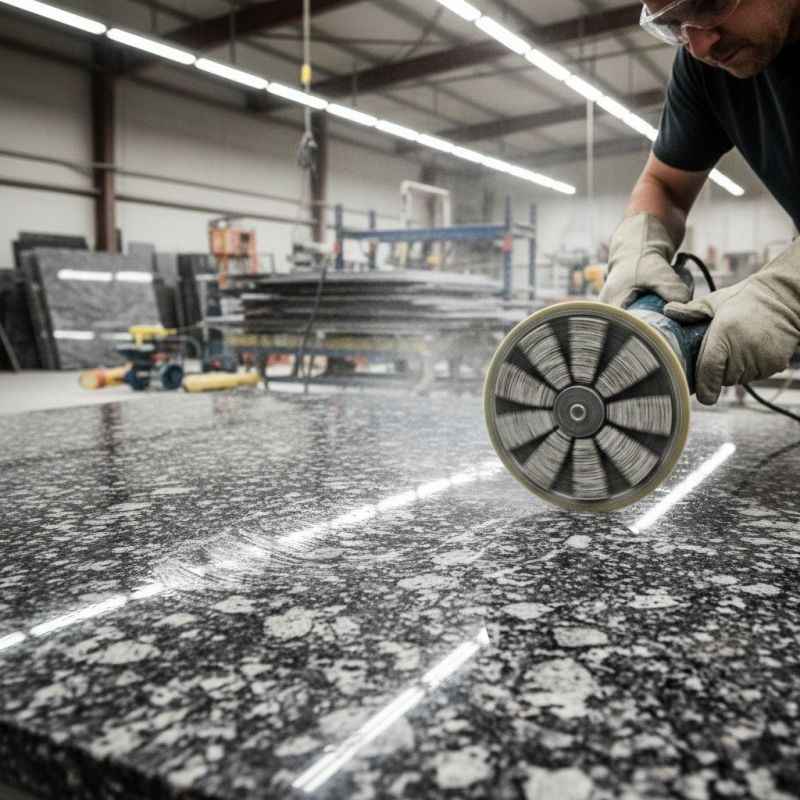
When people search for stone polishing versus stone replacement for commercial properties, they are often trying to determine the best way to maintain or improve the appearance of their stone surfaces. This comparison usually arises when property managers or business owners notice their stone floors, facades, or countertops are showing signs of wear, such as dullness, scratches, or stains. The goal is to find a solution that restores the stone’s visual appeal without unnecessary disruption or expense. Understanding the differences between polishing and replacement helps property owners make informed decisions that align with their maintenance plans and aesthetic goals.
These topics are closely related to common property issues like surface deterioration, surface damage, or the desire to enhance the overall look of a commercial space. For instance, a retail store or office building might consider stone polishing to bring back shine and smoothness, while a more severely damaged surface may seem to require full replacement. The decision often depends on the extent of the damage, the age of the stone, and the desired outcome. Local contractors who specialize in stone care can assess the condition of the surfaces and recommend whether polishing will suffice or if replacement is necessary, helping property owners avoid unnecessary costs and downtime.
The types of properties that typically come up in discussions about stone polishing versus stone replacement include retail centers, office buildings, hotels, restaurants, and industrial facilities. These commercial spaces often feature stone flooring, countertops, or exterior facades that are exposed to heavy foot traffic and environmental elements. Over time, these surfaces can become scratched, stained, or dulled, prompting property owners to explore options for restoration or renewal. Local service providers who focus on stone polishing can offer solutions that preserve the existing material, extending its lifespan and maintaining the property’s professional appearance, while contractors specializing in replacement handle more extensive repairs when the stone has become too damaged or outdated.
Understanding the practical differences between stone polishing and stone replacement helps property owners plan maintenance strategies effectively. Polishing is typically a less invasive process that restores shine and smoothness to existing surfaces, making it suitable for minor surface imperfections. Replacement, on the other hand, involves removing damaged stone and installing new material, which is often necessary when the damage is extensive or the stone has reached the end of its useful life. Local pros can evaluate the condition of the stone and guide property owners toward the most appropriate solution, ensuring that the chosen method aligns with the property’s aesthetic, functional needs, and budget considerations.
Marble and granite restoration - professionals skilled in surface polishing and repair techniques that are similar to those used in stone polishing for commercial properties, helping extend the life of existing stone surfaces.
Concrete polishing services - involve grinding and sealing methods comparable to stone polishing, providing a durable finish that can serve as an alternative to replacement in high-traffic commercial areas.
Terrazzo restoration projects - require polishing and surface preparation skills akin to stone polishing, enabling service providers to improve appearance without full replacement.
Facade cleaning and restoration - often involve surface preparation and polishing techniques that align with those used in stone polishing, helping maintain the aesthetic of commercial exteriors.
Epoxy and resin floor coating - projects that utilize surface preparation and finishing skills similar to stone polishing, offering a protective and attractive surface alternative.
Natural stone sealing and maintenance - involves applying protective treatments that complement stone polishing efforts, helping to preserve the appearance and durability of stone surfaces in commercial settings.
When evaluating service providers for stone polishing versus stone replacement in commercial properties, it is important to consider their experience with similar projects. Local contractors who have worked on comparable types of stone surfaces can provide insights into the best approach and demonstrate familiarity with the specific challenges involved. Asking about their past projects or requesting references related to commercial properties can help gauge their expertise and ensure they are well-versed in handling the unique requirements of large-scale or high-traffic areas.
Clear written expectations are essential when comparing local pros for stone services. A reputable provider should be able to outline the scope of work, the methods they plan to use, and the expected results in a detailed and understandable manner. This transparency helps prevent misunderstandings and ensures that the project aligns with the property owner’s goals. When considering stone polishing versus stone replacement, understanding what each process involves, the potential impact on the property, and the longevity of the results can help inform a more confident decision.
Reputable references and good communication are key factors in selecting the right service provider. Local contractors who can provide references from previous clients-particularly those with similar commercial projects-offer valuable insights into their reliability and quality of work. Additionally, effective communication throughout the process ensures that property owners are kept informed, questions are addressed promptly, and any concerns are managed proactively. This level of professionalism can make a significant difference in achieving a successful outcome when choosing between stone polishing and stone replacement services.
Property owners often search for stone polishing vs. stone replacement for commercial properties when they are planning practical projects around their homes and businesses. Local pros provide Stone Polishing services for everyday jobs and straightforward project options.
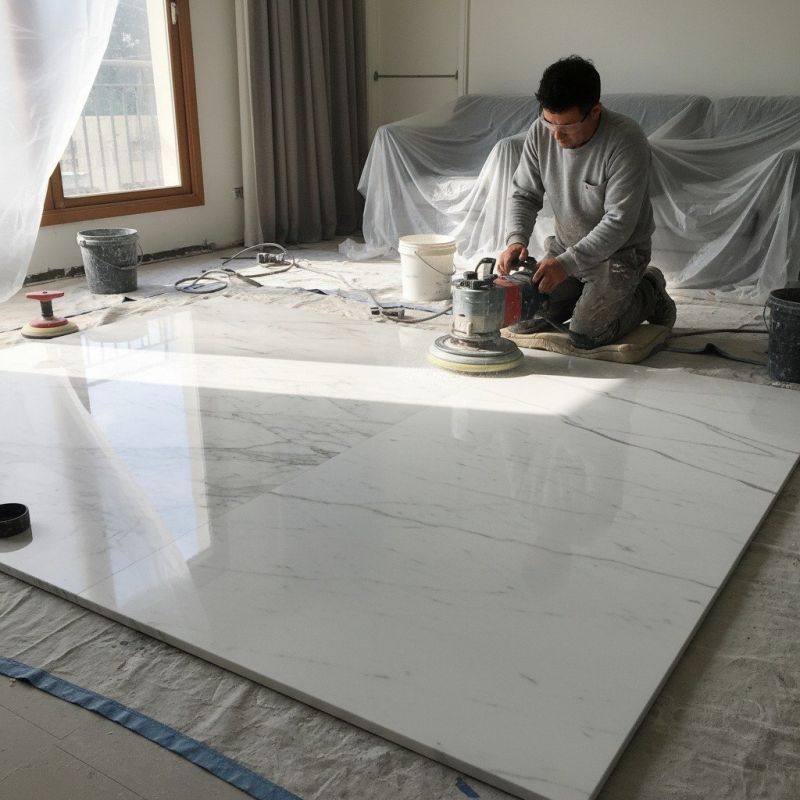
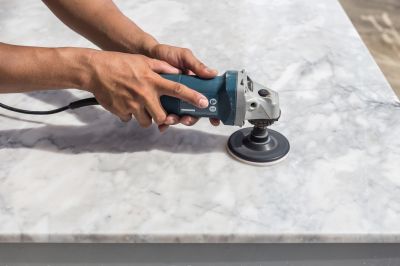
In many commercial properties, maintaining the appearance of stone surfaces is an ongoing concern for property owners and managers. When floors or other stone features become dull, scratched, or stained, some may consider stone replacement as a way to refresh the space. However, in everyday project situations, stone polishing services offered by local contractors can often provide a practical and cost-effective alternative. Polishing can restore the shine and smoothness of existing stone, extending its life without the need for costly removal and replacement.
Choosing between stone polishing and stone replacement depends on several factors, including the condition of the stone and the desired aesthetic. For properties with relatively intact surfaces that simply need revitalization, local pros specializing in stone polishing can often achieve impressive results. These service providers are equipped to handle common issues like surface dullness and minor scratches, making polishing a convenient option for property owners seeking to maintain a polished, professional look without significant disruption or expense.
What are the main differences between stone polishing and stone replacement for commercial properties? Stone polishing involves restoring the surface of existing stone to improve its appearance and durability, while stone replacement means removing damaged or worn stone and installing new material. Local contractors can assess whether polishing can restore the existing stone or if replacement is necessary.
When should a commercial property consider stone polishing instead of replacement? If the stone surface is structurally sound but has surface scratches, dullness, or minor damage, stone polishing is often a suitable and cost-effective option. Local pros can evaluate the condition of the stone to recommend the best approach.
Can stone polishing effectively address deep cracks or significant damage? Generally, stone polishing is best suited for surface-level issues. For deep cracks or extensive damage, local service providers may recommend stone replacement to ensure long-term stability and appearance.
How do local contractors determine whether stone polishing or replacement is the right choice? They assess the condition of the stone, including surface wear, damage extent, and structural integrity, to advise whether polishing can restore the surface or if replacement is needed for durability.
What are the benefits of choosing stone polishing over replacement for commercial properties? Stone polishing can enhance the appearance of existing surfaces, preserve original materials, and often be a more immediate solution compared to replacement, which involves more extensive work and higher costs. Local pros can help identify the best solution based on the property's needs.
Assessing surface condition - property owners can evaluate whether their stone surfaces are dull, scratched, or stained to determine if stone polishing services are suitable.
Choosing between polishing and replacement - property managers can consult local contractors to decide if restoring existing stone with polishing is more practical than replacing it entirely.
Planning for aesthetic upgrades - businesses can incorporate stone polishing into renovation projects to enhance the appearance of their commercial spaces without major disruptions.
Maintaining stone surfaces - regular polishing by local service providers can help preserve the look of stone surfaces and delay the need for replacement.
If you are thinking about stone polishing vs. stone replacement for commercial properties for a property, this guide is meant to help you understand this topic, the typical project types, and how different options might fit your plans.
When you are ready, you can use the quote form on this page to share a few details about your project. From there, local pros can review the basics and follow up with options that match what you have in mind.