Common Types of Stone Used and How They’re Restored
People seeking stone restoration often want to restore and preserve surfaces made of common types of stone, and local service providers can expertly handle these restoration needs.
Understanding the common types of stone used in building and design can be essential for property owners looking to preserve or enhance their investments. Whether it’s for outdoor patios, walkways, or historic facades, knowing the characteristics of different stones helps determine the best approach for restoration and maintenance. Local contractors experienced in stone restoration can assess the specific needs of each material, ensuring that repairs and cleaning methods are suitable and effective. Exploring this topic provides practical insights that empower property owners to make informed decisions about preserving the beauty and integrity of their stone features.
Restoration techniques vary depending on the type of stone and the condition it’s in, making professional expertise a valuable resource. Skilled service providers understand how to carefully restore and preserve a wide range of stones, from limestone and granite to marble and sandstone. This knowledge helps extend the lifespan of stone surfaces, maintaining their appearance and structural stability over time. By learning about common stone types and their restoration options, property owners can better understand the importance of working with experienced local contractors who specialize in these services, ensuring that their stone features are cared for with proper techniques and care.
- Marble surfaces - homeowners noticing etching or staining can rely on local contractors to carefully restore and polish marble to its original luster.
- - when granite develops scratches or dullness, service providers use specialized techniques to restore its smooth, glossy finish.
- Limestone flooring - areas showing signs of wear or discoloration benefit from local pros who apply gentle cleaning and restoration methods suited for limestone.
- Travertine tiles - if travertine exhibits cracks or surface damage, local contractors can perform repairs and resealing to preserve its natural appearance.
- Slate surfaces - for slate that has become stained or chipped, experienced service providers utilize appropriate restoration techniques to enhance durability and appearance.
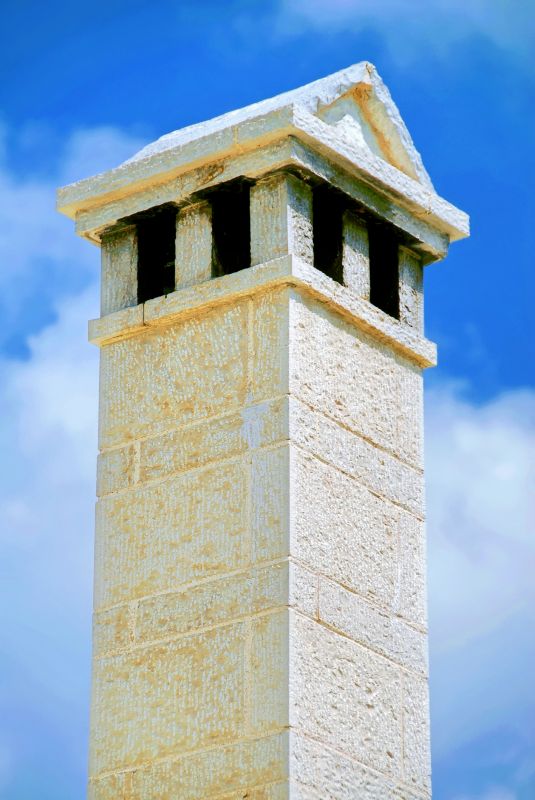
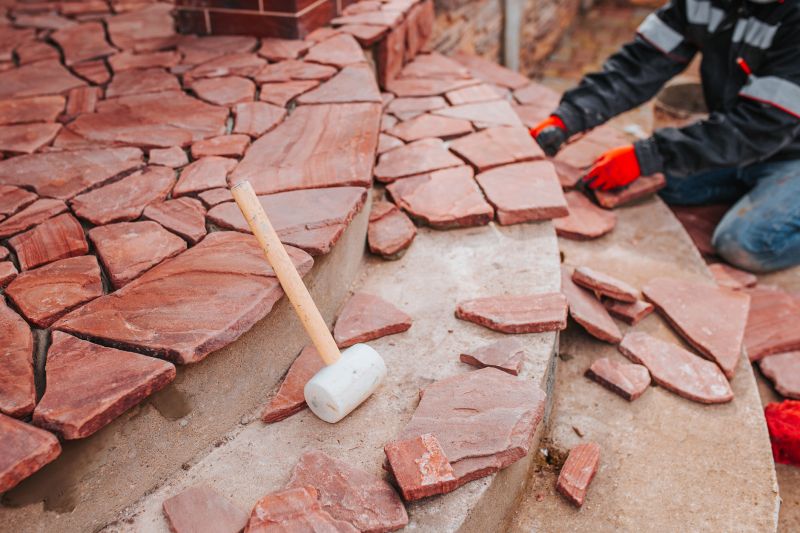
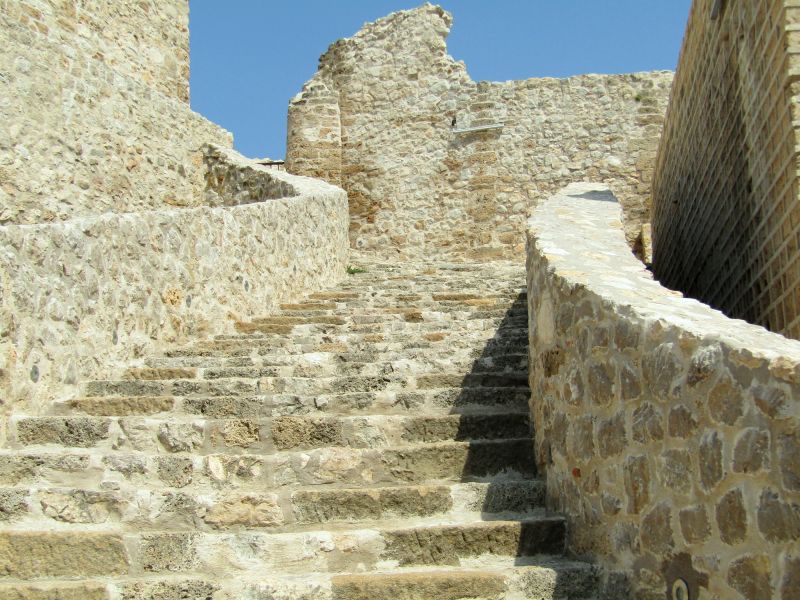
When searching for information about common types of stone used and how they’re restored, homeowners often want to understand the different materials that make up their property’s surfaces, such as floors, countertops, or facades. This topic is relevant for those dealing with damaged or worn stone that needs renewal to regain its original appearance and durability. People typically relate this to projects involving repair, restoration, or preservation of stone features, especially when signs of aging, staining, or surface deterioration are visible. Recognizing the specific type of stone-whether it’s natural or engineered-is crucial because each material has unique characteristics and requires tailored restoration methods. Connecting with local contractors who specialize in stone restoration ensures that the appropriate techniques are used, whether it’s cleaning, repairing cracks, or restoring the surface’s finish.
Common types of stone used in residential and commercial properties include granite, marble, limestone, sandstone, and slate. Each of these stones offers distinct aesthetic qualities and physical properties, influencing how they should be maintained and restored. For instance, marble’s elegant appearance may be prone to staining and etching, while granite’s hardness makes it more resistant but still susceptible to surface damage. Limestone and sandstone tend to be softer and more porous, often requiring careful cleaning and sealing to prevent deterioration. Restoring these stones involves a variety of techniques, such as grinding out scratches, polishing to restore shine, or applying sealants to protect against future damage. Local stone restoration professionals are equipped to assess the specific type of stone and recommend the most effective approach to bring back its original beauty.
The process of restoring common types of stone used in properties often begins with a thorough evaluation of the surface’s condition. Depending on the damage or wear, restoration may include cleaning to remove stains, dirt, or deposits, as well as repairing chips or cracks. For stones like marble and limestone, polishing can help restore their smooth, glossy finish, while honing may be used to eliminate surface scratches. In cases where the stone has become dull or etched, professionals might perform surface grinding or polishing to bring back a uniform appearance. Sealants or protective coatings are frequently applied after restoration to help prevent future staining or surface damage. Engaging experienced local contractors ensures that the restoration process respects the stone’s unique qualities and extends its lifespan.
Choosing the right approach for restoring common types of stone used in a property depends on understanding the specific material and the extent of the damage. Homeowners often seek guidance to determine whether their stone requires simple cleaning or more intensive repair work. Local stone restoration service providers can evaluate the condition of the stone and recommend the most suitable treatments, whether that involves deep cleaning, surface polishing, or crack repair. Proper restoration not only enhances the aesthetic appeal of the property but also helps maintain the integrity and longevity of the stone surfaces. Connecting with experienced local professionals ensures that the work is performed with the appropriate techniques and care, resulting in a durable, attractive finish that preserves the original character of the stone features.
Marble polishing projects - local contractors skilled in marble restoration can help restore the shine and smoothness of marble surfaces, similar to techniques used in stone repair.
Granite countertop refinishing - professionals experienced in granite restoration use specialized tools and methods to repair and enhance the appearance of granite surfaces.
Limestone cleaning and sealing - local service providers can perform cleaning and sealing to protect and restore limestone, paralleling stone restoration practices.
Slate repair services - experts in slate restoration handle surface repairs and sealing, requiring similar planning and skill as other stone restoration projects.
Travertine restoration - local pros can assist with cleaning, polishing, and sealing travertine, applying comparable techniques used for common stone types.
Concrete polishing and restoration - specialists in concrete surface renewal use polishing tools and surface preparation methods akin to stone restoration processes.
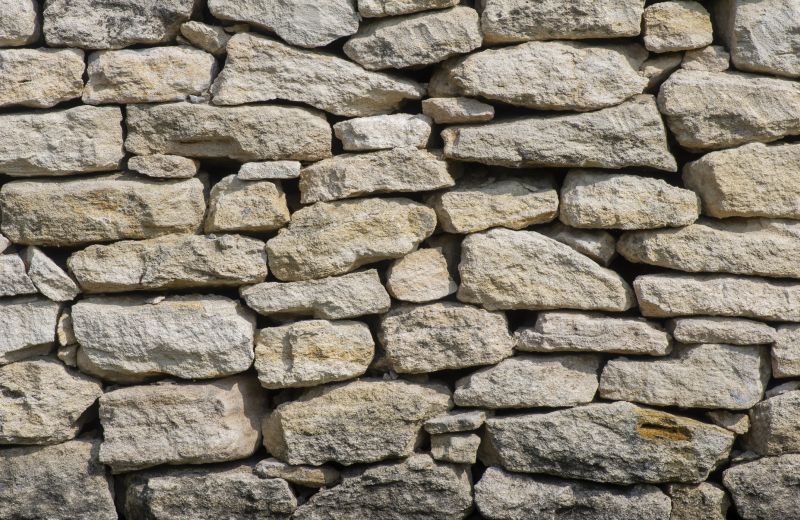
When evaluating service providers for stone restoration, it is important to consider their experience with similar projects involving common types of stone used and how they’re restored. Contractors who have handled comparable surfaces-such as marble, limestone, or granite-are more likely to understand the unique characteristics and challenges associated with each material. This familiarity can contribute to more effective restoration techniques and better preservation of the stone’s appearance. Asking for examples or references related to past projects can help gauge their level of expertise and confidence in working with the specific types of stone present in the home.
Clear, written expectations are essential when comparing local contractors for stone restoration services. A reputable service provider should be able to outline the scope of work, including the methods used for cleaning, repairing, and sealing the stone. This transparency helps ensure that homeowners understand what to expect and can compare proposals accurately. It also provides a basis for discussing any concerns or specific preferences upfront, reducing the risk of misunderstandings later. Well-documented plans and detailed descriptions of the restoration process can serve as useful points of comparison among different contractors.
Reputable references and good communication are key factors to consider during the selection process. Service providers with positive references from previous clients can offer insights into their reliability, professionalism, and the quality of their work. Additionally, contractors who communicate clearly and promptly tend to be more responsive to questions and concerns, making the entire process smoother. When comparing local contractors, it’s beneficial to seek out feedback from past customers and observe how effectively they convey information about the restoration process. This can help ensure that the chosen professional will be attentive and transparent throughout the project.
Property owners often search for common types of stone used and how they’re restored when they are planning practical projects around their homes and businesses. Local pros provide Stone Restoration services for everyday jobs and straightforward project options.

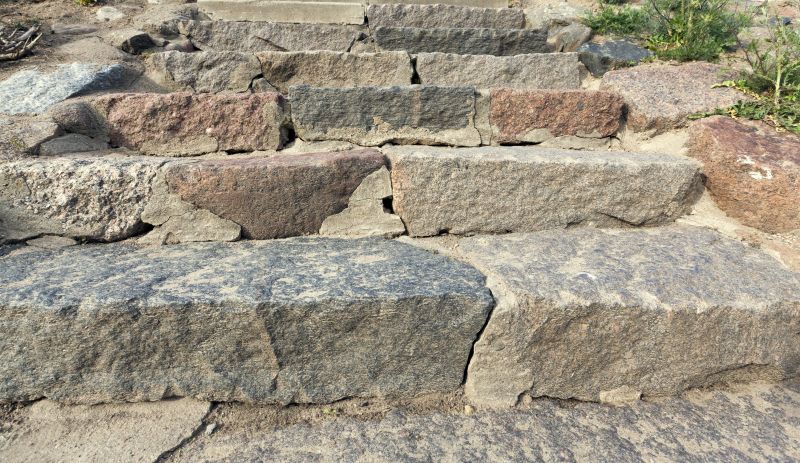
Many property owners in the area turn to local contractors when they need to restore or maintain stone surfaces such as patios, walkways, or countertops. Common types of stone used in these projects include granite, marble, limestone, and slate, each with its own unique appearance and durability considerations. Understanding the differences between these stones can help property owners determine the best approach for cleaning, repairing, or restoring their surfaces. When stones become stained, chipped, or worn over time, local service providers often offer specialized restoration techniques to bring back their original beauty and strength.
Restoring these types of stone typically involves a variety of methods tailored to the specific material. For example, some stones may require gentle cleaning and sealing, while others might need more intensive processes like polishing or crack repair. Property owners seeking to extend the life of their stone surfaces or improve their appearance may consider consulting local contractors experienced in stone restoration. These professionals can assess the condition of the stone and recommend appropriate solutions to ensure the surfaces remain functional and visually appealing for years to come.
What are the most common types of stone used in building and interior design? Common types of stone used include marble, granite, limestone, and travertine, each chosen for their unique appearance and durability. Local contractors experienced in stone restoration can assess these materials and recommend appropriate restoration methods. They can help restore the original beauty and integrity of these stones after damage or wear.
How do professionals restore marble and granite surfaces? Restoration typically involves cleaning, polishing, and repairing surface damage, such as scratches or stains. Local service providers use specialized techniques to bring back the stone’s natural shine and smoothness, ensuring long-lasting results.
Can limestone and travertine be restored easily? Yes, limestone and travertine can be restored through careful cleaning, sealing, and repairing surface imperfections. Experienced contractors understand the specific needs of these softer stones and can perform restoration that maintains their appearance and structural integrity.
What types of damage can be repaired during stone restoration? Common damages include scratches, stains, cracks, and surface etching. Local pros utilize tailored restoration techniques to address these issues and help extend the life of the stone surfaces.
Why is professional restoration important for stone surfaces? Professional restoration ensures that the specific characteristics of each stone type are preserved while addressing damage effectively. Local contractors have the expertise to restore various stones properly, maintaining their aesthetic and functional qualities.
Identifying common stone types - property owners can work with local contractors to determine the specific stone used in their surfaces, ensuring the right restoration approach.
Choosing appropriate restoration methods - understanding how different stones respond to cleaning and repair helps property owners select suitable services from local pros.
Restoring aged or damaged stone - property owners might seek professional help to repair cracks, stains, or erosion on their stone surfaces for a renewed appearance.
Maintaining stone longevity - regular upkeep and proper sealing, guided by local experts, can help preserve the integrity and beauty of common stone types over time.
If you are thinking about common types of stone used and how they’re restored for a property, this guide is meant to help you understand this topic, the typical project types, and how different options might fit your plans.
When you are ready, you can use the quote form on this page to share a few details about your project. From there, local pros can review the basics and follow up with options that match what you have in mind.